Showing posts with label Spanish. Show all posts

Sunday, July 5, 2015

The Spirit of the Beehive

I freely admit that Spirit of the Beehive is a top-shelf film, where the pleasures aren't easy to grasp. I was made that way on purpose, because it is a Spanish film about fascism, made in the waning years of Franco's fascist government.  I would put this film next to Stalker and A Moment of Innocence as great films about the nature of oppressive governments made under those very same governments.  Subtle, insightful and genius criticism that passes under the radar of censors.
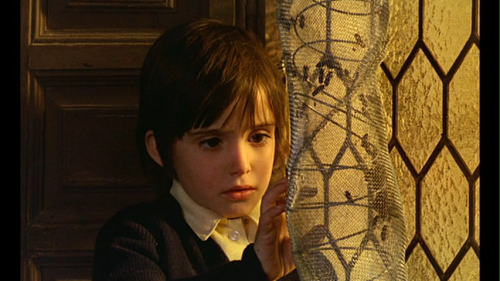
One of the great things I love about this film is the humanizing effect of films.  Frankenstein is shown, which is one of the great humanizing classics, showing the monster as a whole sympathetic character, whose humanity is displayed under anger.  But this film inspires a young girl to see a rebellious soldier as human and in need of pity and care.  But the humanitarian impulse isn't without cost.  This simple, innocent act has terrible consequences.  To enact compassion makes one more human, but that same compassion can cause horrors to occur as well.  Silence and cowardice create safety, but at the cost of our souls.


The Spirit of the Beehive is slow, but also beautiful.  It is minimalist, but if we allow ourselves to dig deeper it has important things to say about our lives, about how we respond to the person we run across who is in deep need, no matter what they've done or who they are.

Wednesday, September 26, 2012

What is the Best Response To Oppression? (Spirit of the Beehive, 1973)


#93-- The Spirit of the Beehive (1973)

The Spirit of the Beehive is about a family paralyzed by an oppressive regime.   They lay, lifeless, like Ana, when she pretends to be dead, causing her sister torment.  There seems to only be two options when surrounded by an omnipotent evil: pretend to be dead, never moving, or rage against the evil, fight on every side, only to be captured and destroyed, like the naïve monster in Frankenstein.

Ana recognizes that she has this choice.  She may only be a child, but the choice is given to each individual.  She chooses to feed a rebel soldier, to keep him alive and hidden from those who rule over them.  This turns out badly for everyone.   But the lesson of Frankenstein is: of course it will turn out badly.  Fighting, even in small ways, against a great bear only leads to destruction. But must not the bear who crushes and destroys be fought, even if it means our own demise?  In the end, will it not bring freedom to everyone?

Isn’t martyrdom preferable to quiet suffering?  And can’t even a child do her small part, accept her own martyrdom, for the sake of the greater good?

Fun Fact: Spirit of the Beehive was made in the last years of Franco's fascist Spain, using Spanish actors. sites and resources to make this anti-Franco film.  It is symbolic to deceive the Spanish censors.  One of the scenes was copied in Pan's Labyrinth, which takes place during Franco's Spanish Civil War.